
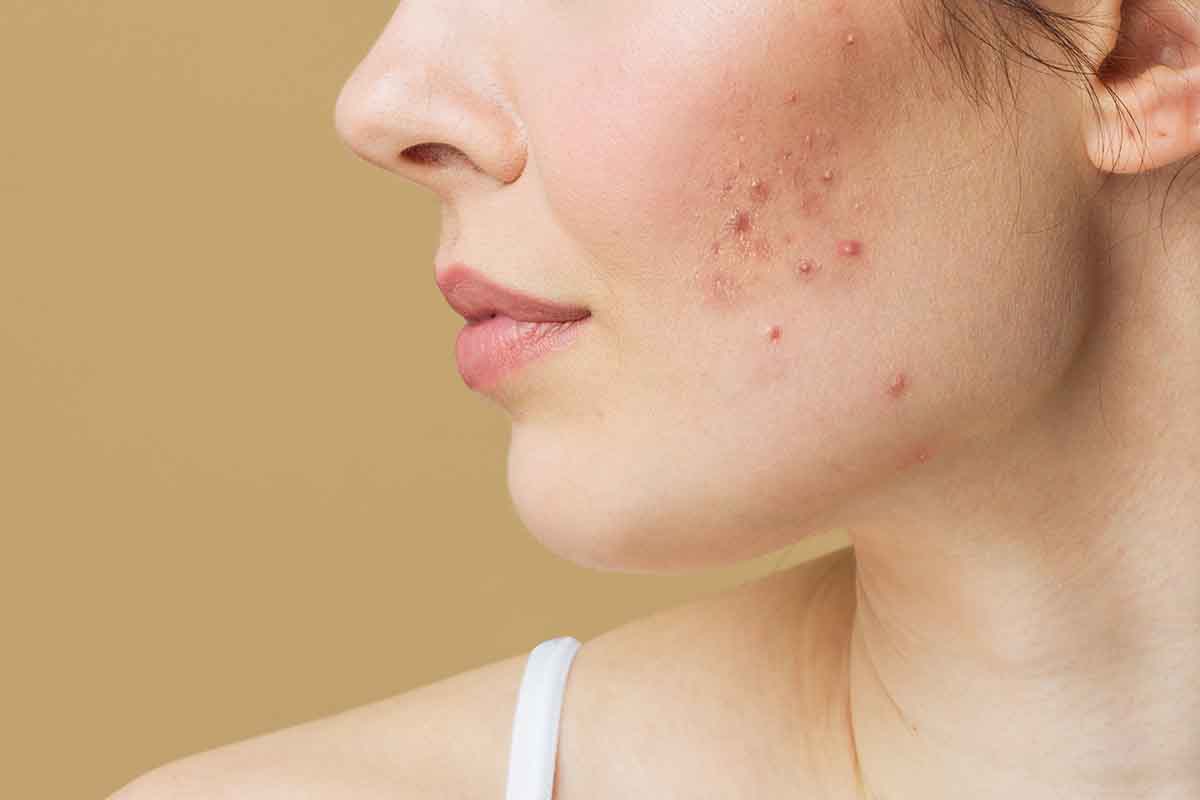
Hormones—they’re silently steering every major system in our bodies, from mood and energy to appetite and, yes, our skin. For many adults, especially women, hormonal fluctuations can trigger unwelcome skin reactions: breakouts, dullness, redness, stubborn texture issues. What we often call adult hormonal acne is a direct result of these shifts—and it can feel frustrating, hopeless, and hard to treat with regular skincare.
But here’s the uplifting truth: adult hormonal acne isn’t a permanent sentence. With the right knowledge and targeted approach, you can rebalance, heal, and regain radiant skin. At Bergen Aesthetics, we don’t just treat the symptoms—we help you understand what’s happening under the skin, tailor a personalized plan, and support your journey toward clear, confident skin. Below, we’re diving into the why and how of hormonal acne—and how to tackle it effectively.
Understanding Adult Hormonal Acne
Adult hormonal acne usually shows up later in life—typically in your 20s through 50s—and is most common around the jawline, chin, and lower cheeks. Unlike teen acne that can cover the T-zone, this type often involves deeper, more painful bumps (cystic acne), persistent breakouts that won’t respond to spot treatments, or flare-ups timed with your menstrual cycle, pregnancy, or menopause.
The distinctive signs include:
- Painful, deep cysts that linger
- Recurring breakouts that resist standard treatment
- Inflammation and redness that don’t clear up overnight
Unlike teenage acne, adult hormonal acne is often more stubborn—and far more emotionally draining. But it’s treatable when you address the real cause: hormones.
What Happens Inside: The Hormone–Skin Connection
So what’s actually triggering these breakouts? Hormones like testosterone and cortisol can stimulate your oil (sebum) glands. Add in dead skin, environmental stressors, and bacteria, and you’ve got clogged pores ready to erupt into inflammation.
The biggest hormonal culprits include:
- Menstrual cycle: Dropping estrogen and progesterone coupled with rising androgens in the late luteal phase often trigger monthly flare-ups.
- Pregnancy: Your hormones are shifting dramatically—some women glow, others break out. It’s individualized.
- Perimenopause/Menopause: Lowering estrogen may dry out skin but also lead to increased oil production and adult acne.
- Stress: Cortisol—your body’s stress hormone—can fuel inflammation and oil production, making acne worse.
Understanding when and why your skin seems to “wake up” gives you insight into when to treat and what to treat.
Symptoms Beyond Pimples
Acne isn’t the only sign of hormonal imbalance. You might also notice:
- Uneven tone, including melasma (dark patches)
- Red, thin or sensitive skin
- Facial hair growth (especially around the chin or upper lip)
- Thinning skin or decreased collagen elasticity
Acknowledging these symptoms helps us craft a plan that addresses all the pieces—protecting, healing, and restoring your skin’s base.
Why Generic Acne Products Often Fail
Many adult hormonal acne sufferers think, “Let me just grab a salicylic acid cleanser,” but that alone rarely moves the needle. That’s because these cross-season hormonal effects:
- Run deeper: Breakouts are rooted in glandular and immune triggers, not just surface oil.
- Are long-lasting: Standard OTC products aren’t always strong enough or fast-acting.
- Require consistency: Hormones shift in cycles—so you need tools that adapt and offer long-term control.
That’s why recovery often needs medical-grade treatments plus lifestyle tactics focused on supporting hormone balance.
Lifestyle Foundations for Hormonal Skin Balance
Before advancing to in-clinic treatments, it’s essential to build a strong foundation:
- Clean, consistent routine:
- Use gentle, clarifying cleansers with salicylic acid or zinc.
- Add niacinamide to calm inflammation and reinforce your skin barrier.
- Use gentle, clarifying cleansers with salicylic acid or zinc.
- Diet and hydration:
- Emphasize omega-3–rich foods (like salmon and flaxseed) and antioxidants (berries, leafy greens).
- Limit dairy and sugar—often linked to exacerbated acne.
- Emphasize omega-3–rich foods (like salmon and flaxseed) and antioxidants (berries, leafy greens).
- Stress management:
- Practice daily mindfulness, yoga, or time in nature to reduce cortisol’s impact.
- Practice daily mindfulness, yoga, or time in nature to reduce cortisol’s impact.
- Sleep optimization:
- Aim for 7–8 restful hours—it’s key to proper hormone metabolism and skin repair.
- Aim for 7–8 restful hours—it’s key to proper hormone metabolism and skin repair.
These lifestyle pillars support long-term change and skin resilience—especially when paired with in-level clinical treatments.
Targeted Treatments at Bergen Aesthetics
At Bergen Aesthetics, we combine medical-grade interventions with hormone-smart strategy.
Laser Acne Treatment
Our FDA-approved laser targets acne-causing bacteria while reducing oil production and redness. Results typically show in 1–2 treatments, with continued improvement over time.
Ideal for: Persistent inflammatory acne, redness, or texture issues.
Microneedling with PRP
Microneedling creates micro-injuries that boost collagen and rebuild skin integrity. When paired with PRP (Platelet-Rich Plasma), it enhances healing, fades acne scars, and helps regulate your skin barrier.
Ideal for: Texture refinement, scar fading, and overall glow.
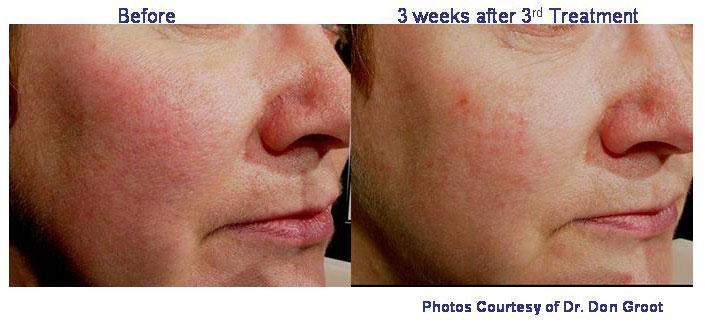
Chemical Peels
We use peels catered to sensitive, acne-prone skin—light enough to prevent barrier damage but strong enough to clear clogged pores, calm inflammation, and brighten tone.
Ideal for: Weekly/monthly resurfacing, long-term clarity, and balanced texture.
Hormone-Informed Consultations
Your skin health might require broader support. We consult with hormone experts to test and balance hormones that directly impact sebum production and skin stress.
Ideal for: Persistent acne with systemic symptoms (irregular cycles, excessive hair, etc.).
Oil-Targeted Botox
Yes—Botox isn’t just for lines. When strategically placed, it can reduce oil gland activity in the forehead or T-zone, helping control shine and prevent breakout cycles.
Ideal for: Oily skin prone to forehead and chin breakouts.
Timeline: When to Expect Change
Results vary based on treatment type, but typical progress looks like this:
- 4–6 weeks: Skincare and lifestyle changes begin clearing skin clarity and calm.
- 8–12 weeks: Chemical peels and mild lasers yield brighter, smoother texture.
- 3–4 months: Microneedling PRP delivers deeper correction of scars and tone.
- Ongoing maintenance: Quarterly or as-needed laser and hormonal support keep balance strong.
This phased approach allows each treatment to build on the last—maximizing results while keeping you cool, calm, and collected.
Why Trust Bergen Aesthetics?
We’re not a generic spa—we’re a medically overseen clinic in Paramus, NJ, led by practitioners who understand hormones and skin from the inside out. When you’re with us, you’re getting:
- Tailored care: We analyze your skin, life, and triggers—not just treat a symptom.
- Evidence-based methods: Every laser, peel, or injection is supported by science and experience.
- Holistic support: From stress reduction to sleep hygiene, we coach you beyond the clinic door.
This isn’t a quick fix. It’s a path to sustainable clarity—and confidence.
Ready to Rebalance & Shine?
Adult hormonal acne isn’t permanent—and you shouldn’t have to manage it half-heartedly. With the right plan, good science, and ongoing support, clearer skin is possible—and within reach.
Book your consultation at Bergen Aesthetics today, and let’s design a personalized roadmap that restores your skin rhythm and renews your confidence.